Childcare Service Childcare Facility
Kyoto University Kids’ Community (KuSuKu)


About “KuSuKu”

As part of the well-being of faculty, staff, and students, Kyoto University opened a childcare facility “Kyoto University Kids’ Community (alias: KuSuKu)”.
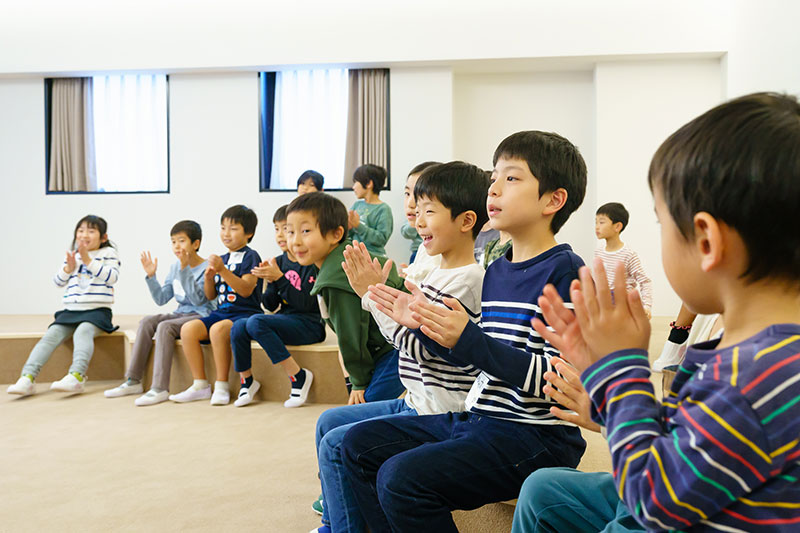
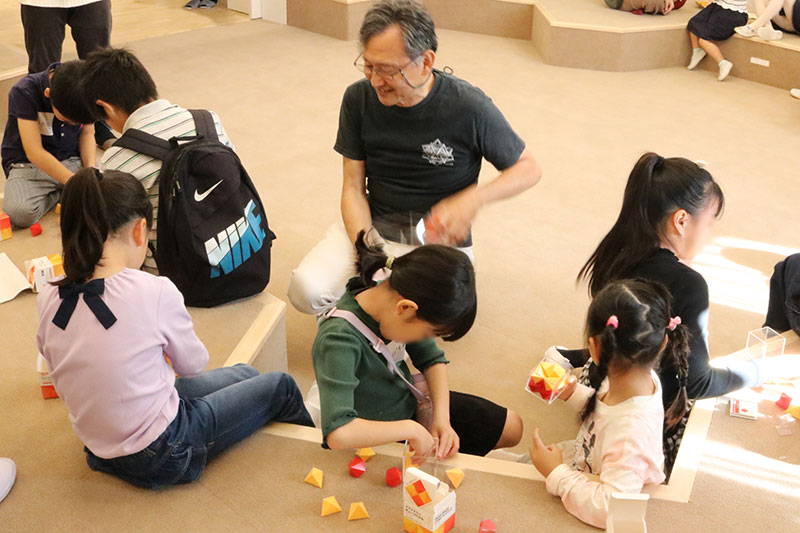
At KuSuKu, researchers from Kyoto University provide enjoyable educational programs in a space designed to facilitate new ideas that combine play and learning. Please consider giving your children a memorable educational experience at KuSuKu!
Also, when your child go home, please be sure to ask them about KuSuKu. I'm sure his eyes will shine and he will talk about all sorts of things.

Two goals that KuSuKu aims for

*The above is an example.

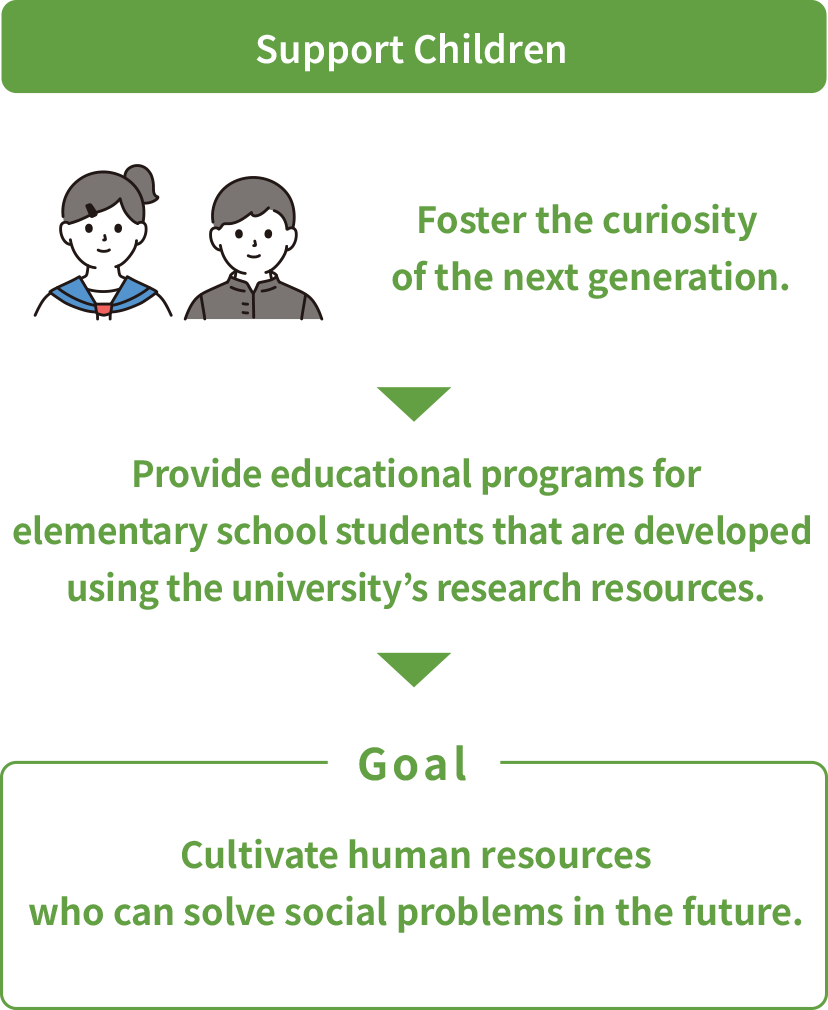
Support Children
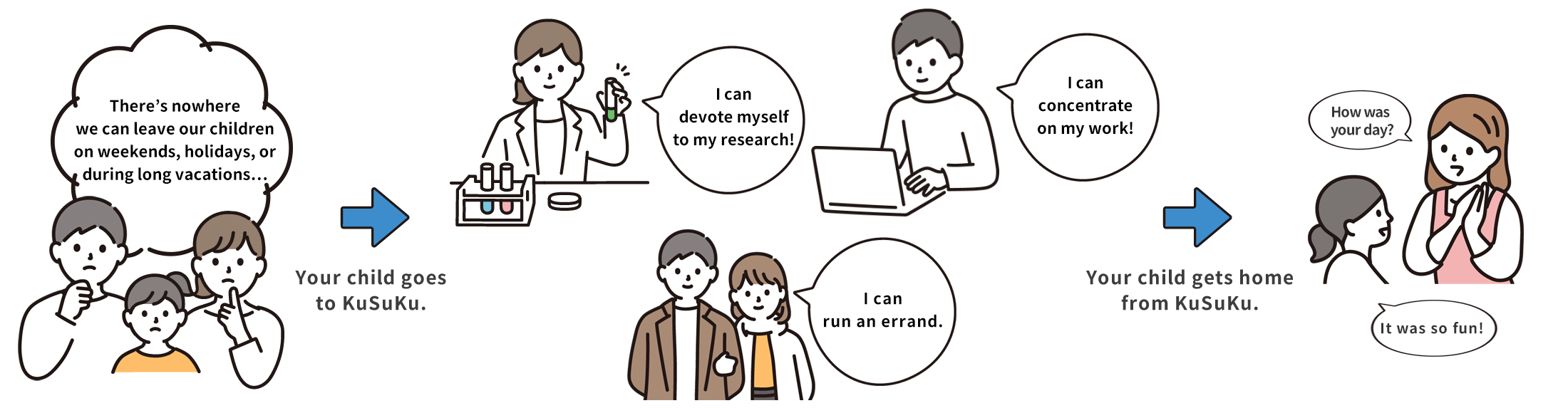
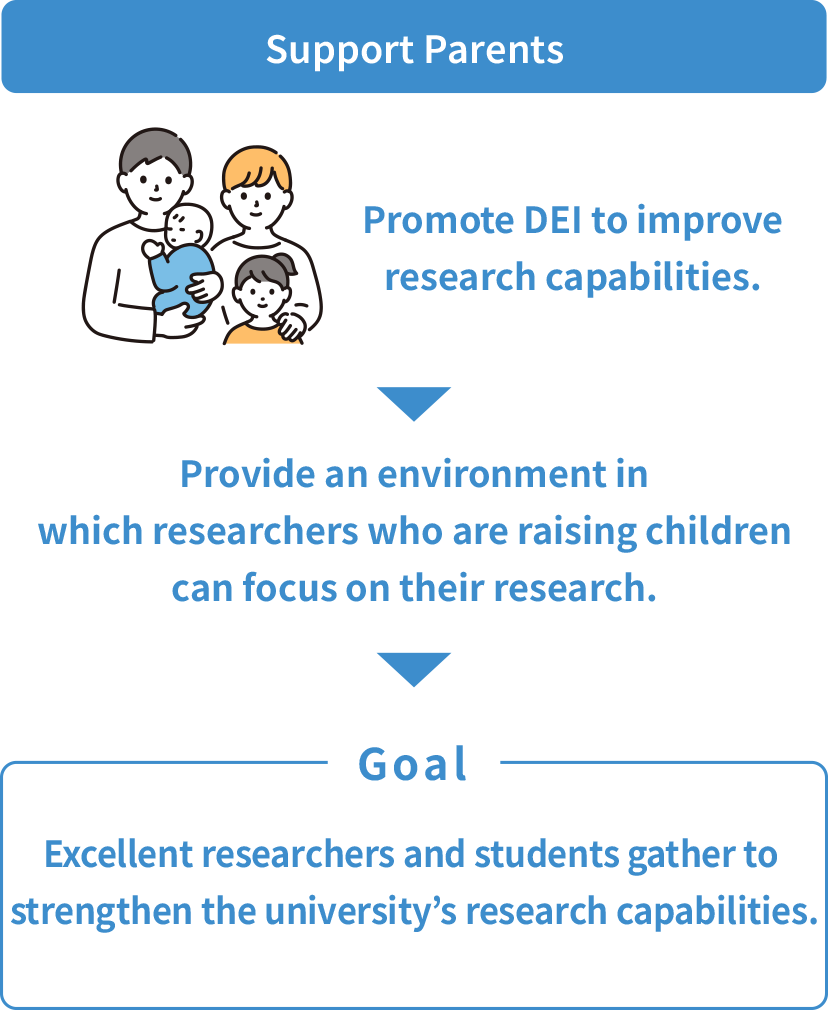
Support Parents

Contribute to raising the standard of world’s future research and technological capabilities.


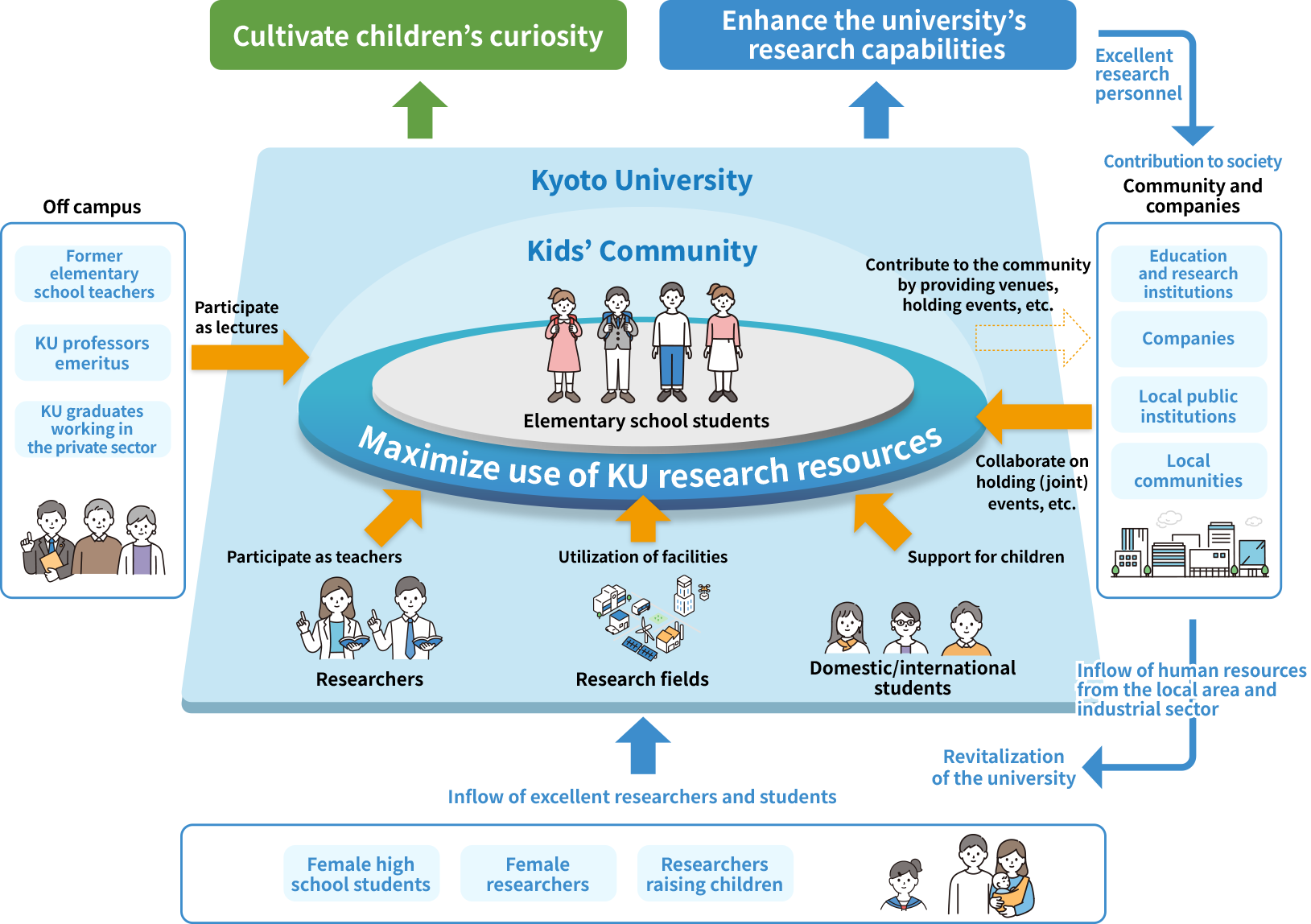
Cooperative System

Cooperative System

Five Values

1

Management that meets the needs of the university’s researchers, etc.

  • KuSuKu will be open on weekends, national holidays, and long elementary school vacations, when demand is high due to academic conferences, etc.

2

Educational programs supervised by Kyoto University experts in pedagogy and other fields.

Program content will be planned from the perspectives of pedagogy, brain science, etc., by a committee of Kyoto University faculty members.

3

Spatial planning that contributes to inclusivity and the SDGs.

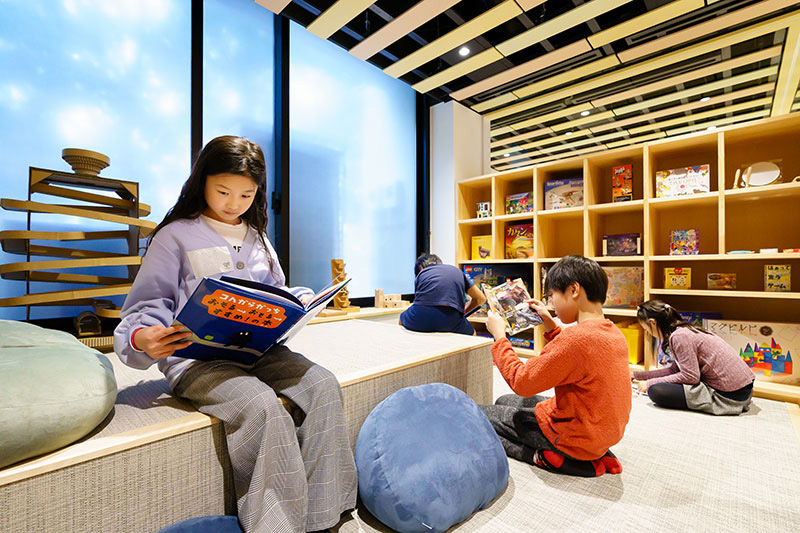
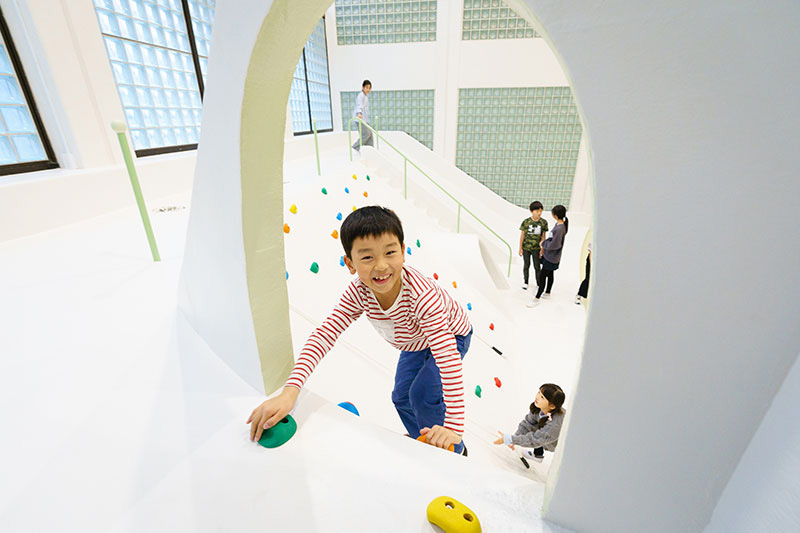
A variety of areas that inspire play and learning, and a space to explore them.

*Mr. Maki Onishi and Yuki Hyakuta, a graduate of the Department of Architecture, Faculty of Engineering, Kyoto University, (onishimaki+hyakudayuki architects / o+h) were in charge of the facility design.

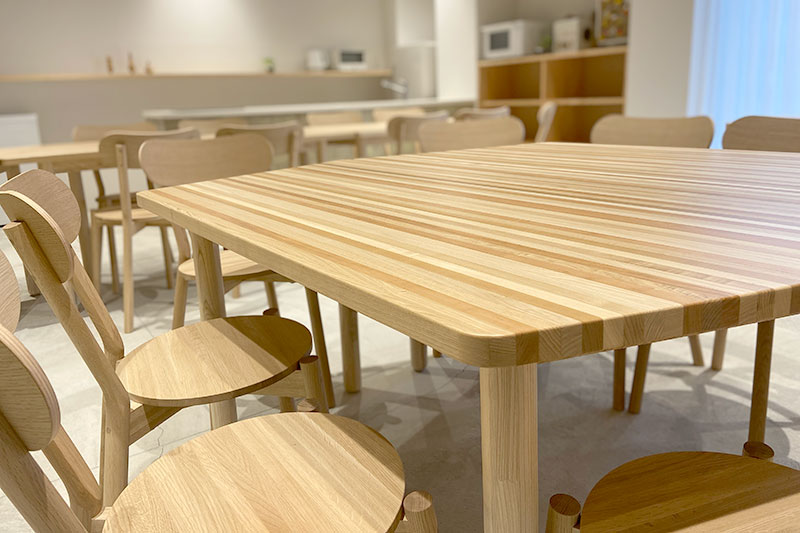
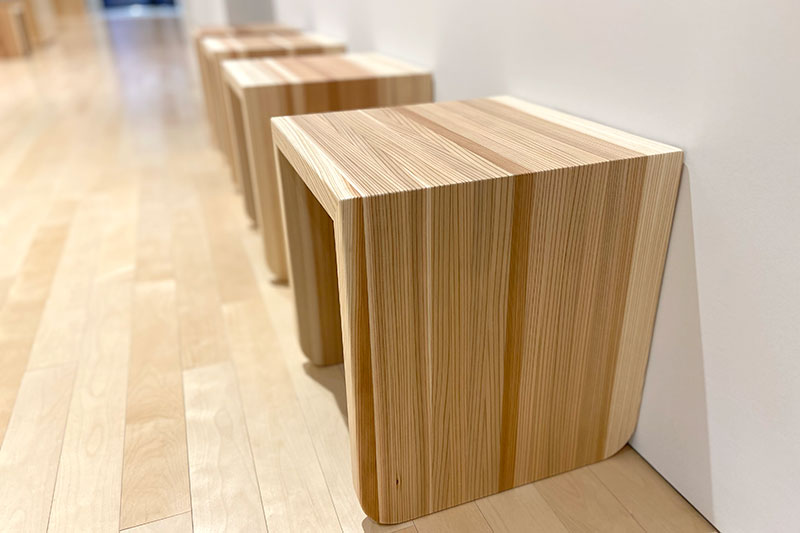
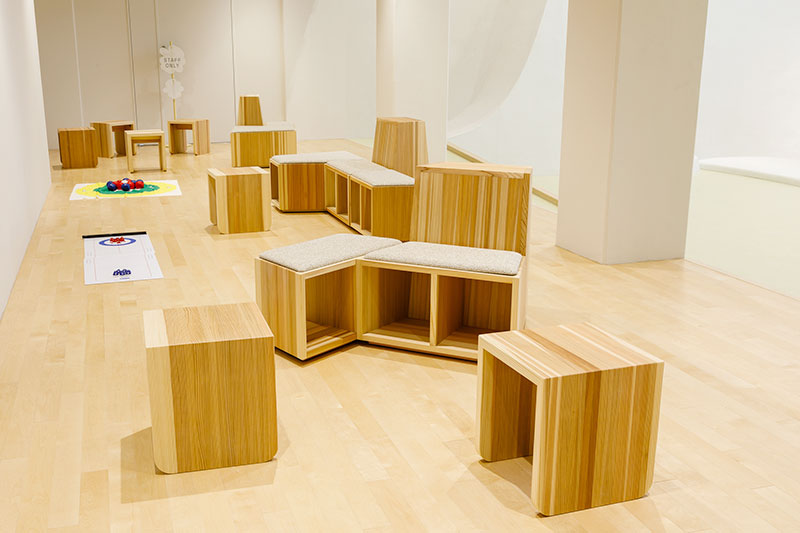
Furniture made from thinned wood from the Kyoto University Research Forest

*With the cooperation of Mr. Hiroshi Kato (Vice President of Karimoku Furniture Co., Ltd.), a graduate of Kyoto University's Faculty of Agriculture, KuSuKu's furniture using thinned wood from the Kyoto University Research Forest (Ashiu, Wakayama) was created.

4

Maximize use of Kyoto University’s research resources.

Kyoto University researchers serve as teachers. Activities based around Kyoto University research fields (farms, the university museum, etc.).

  • The Kyoto University Museum

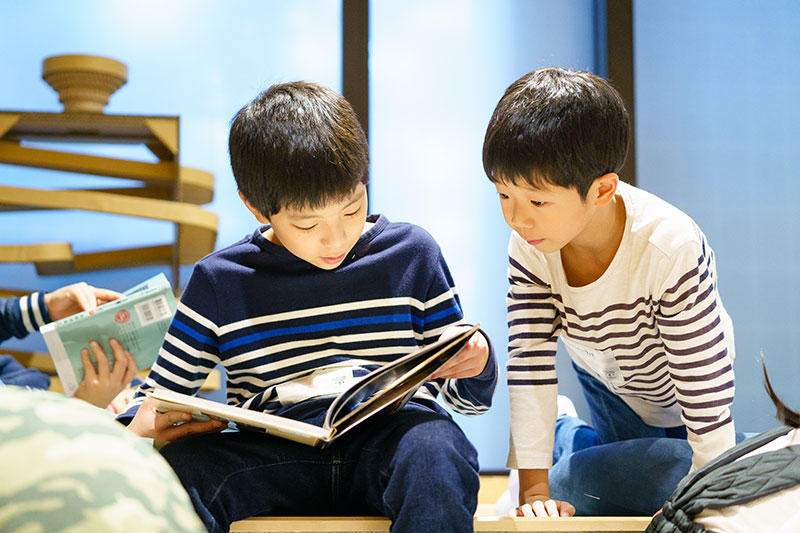
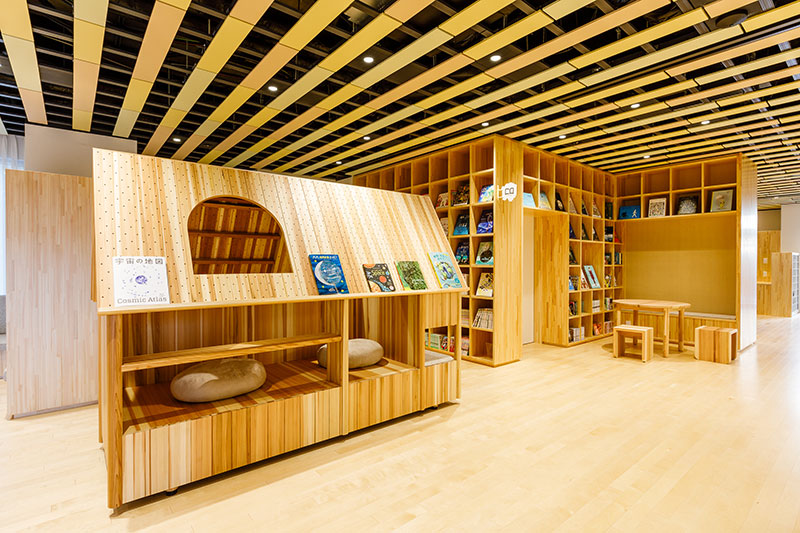
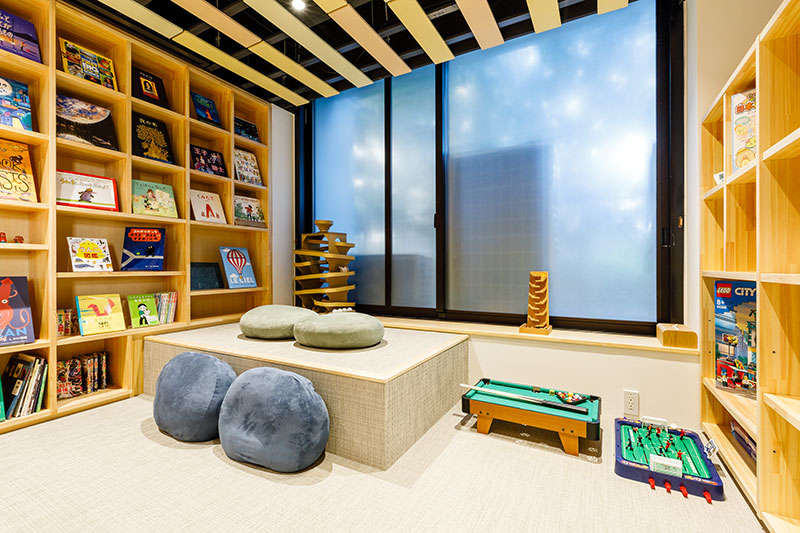
We have a large selection of children's books written by Kyoto University researchers and academic and rare books that take advantage of the strengths of the university's after-school nursery school.

5

Cross-cultural exchange by international researchers and students enrolled at Kyoto University.

  • Lectures by Kyoto University international researchers, etc., and games with international students.

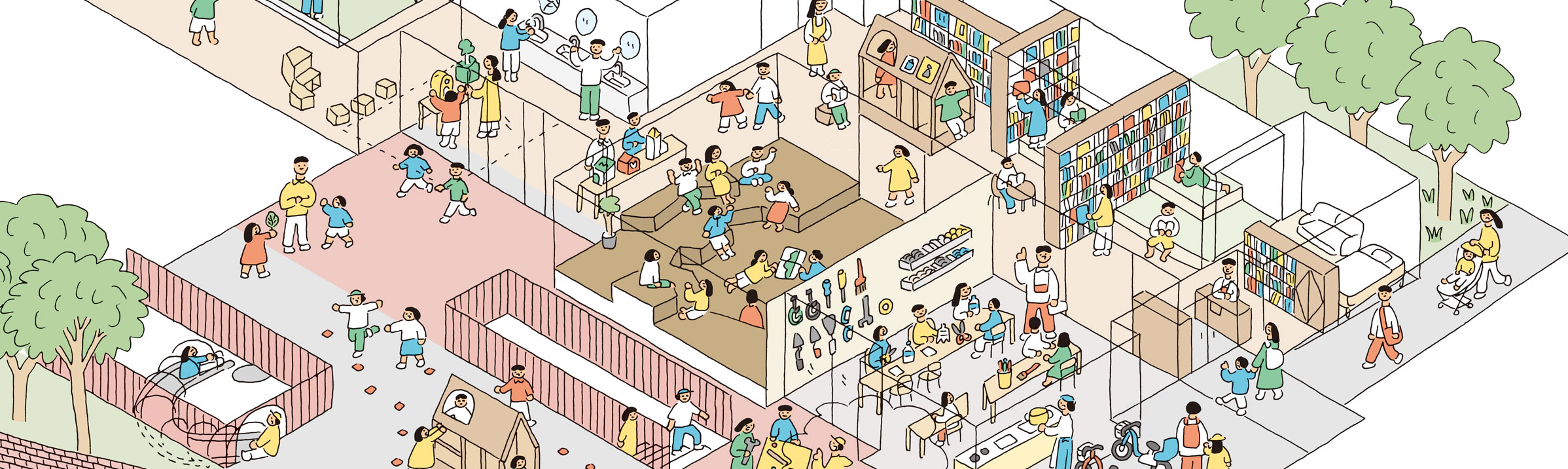
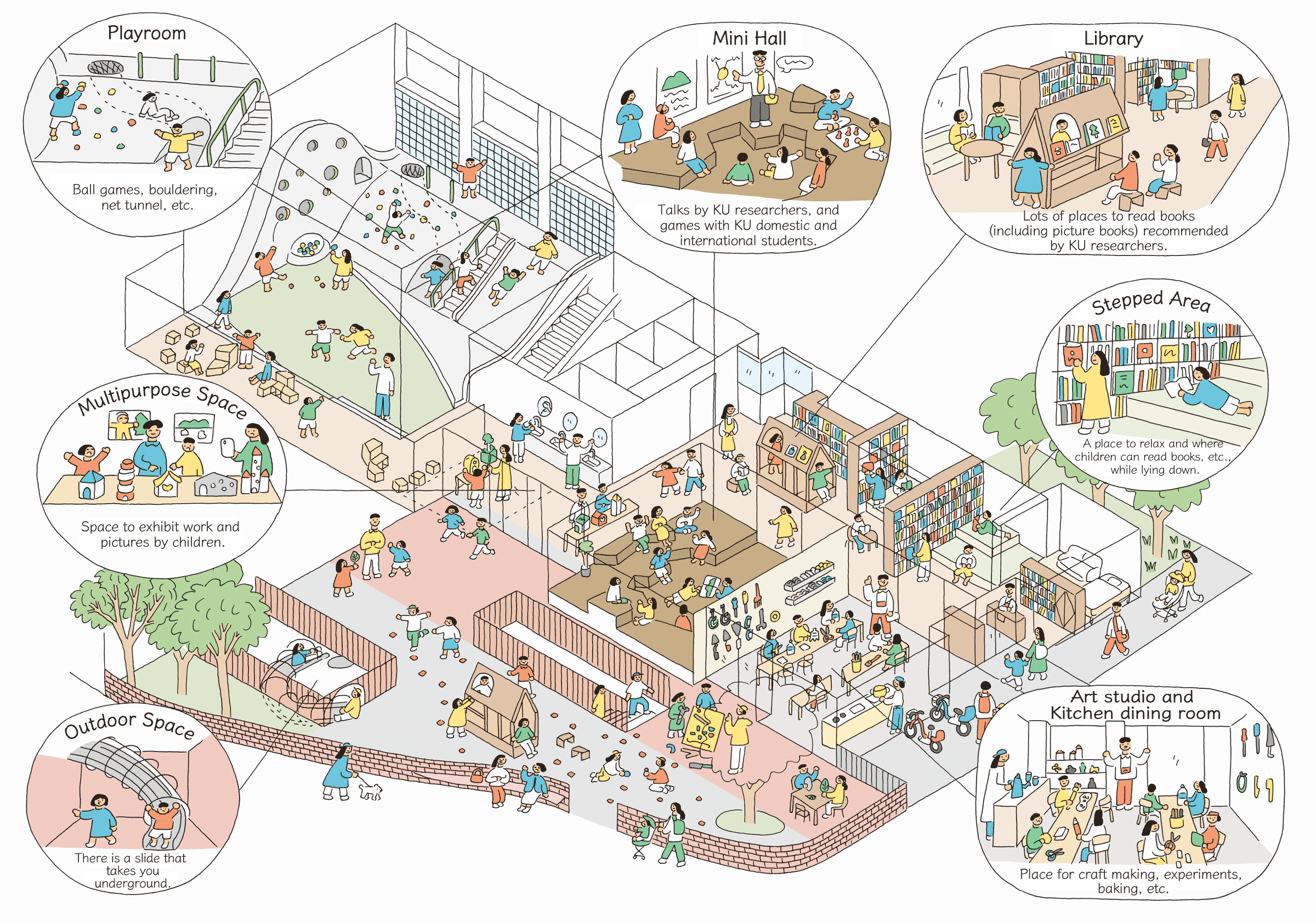
Illustrated Map of the Facility

Illustrated Map of the Facility

Facility

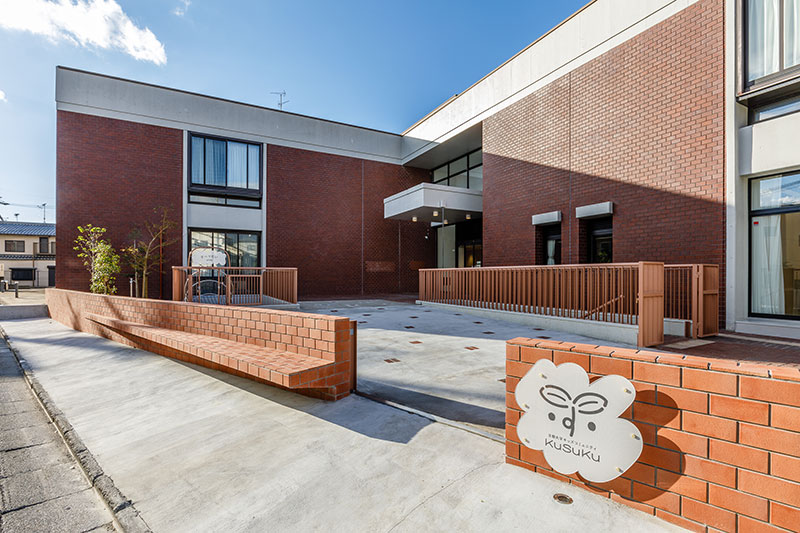
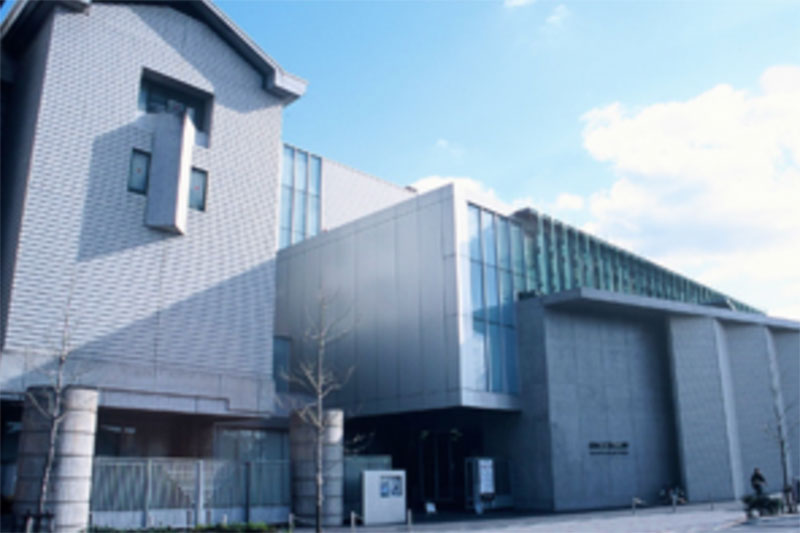
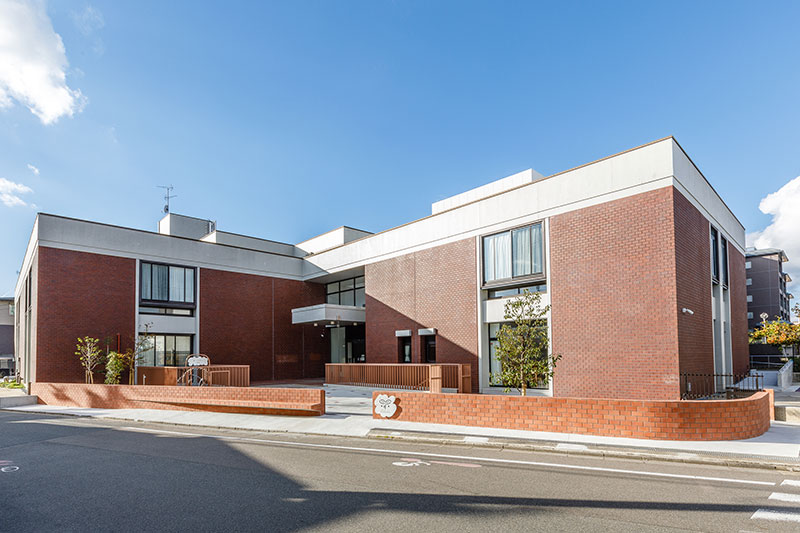
Exterior
Exterior
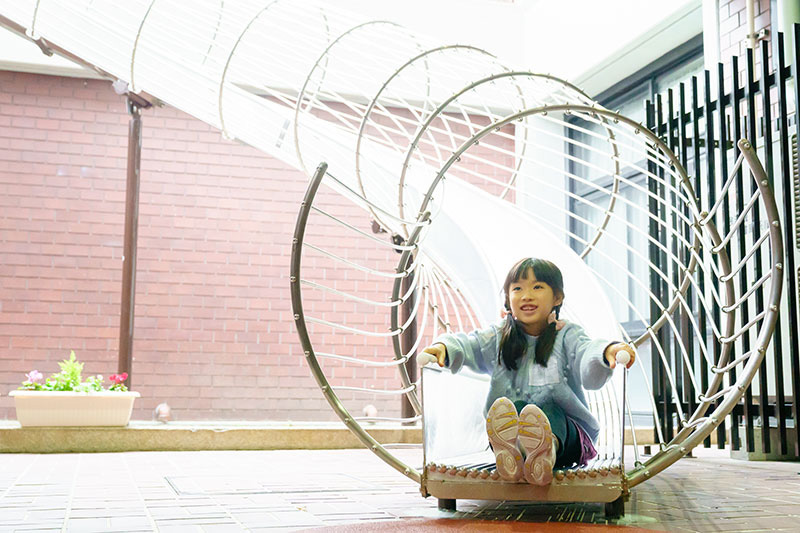
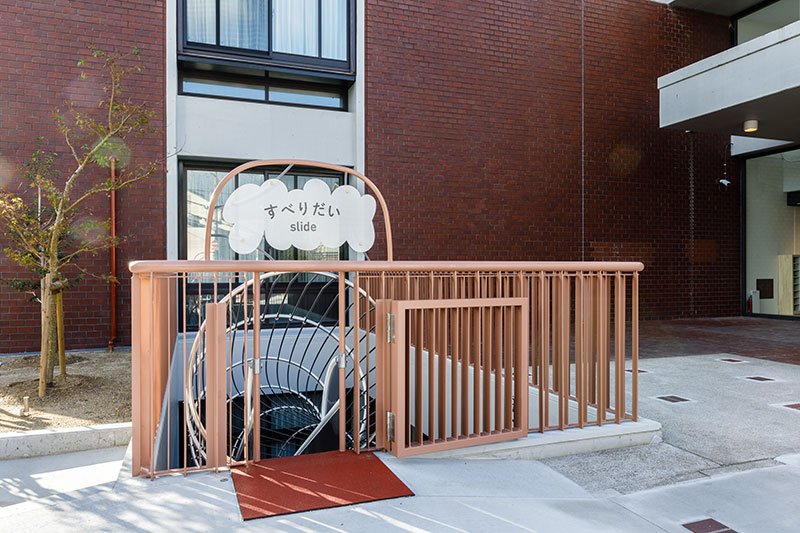
Outdoor playground
Outdoor playground
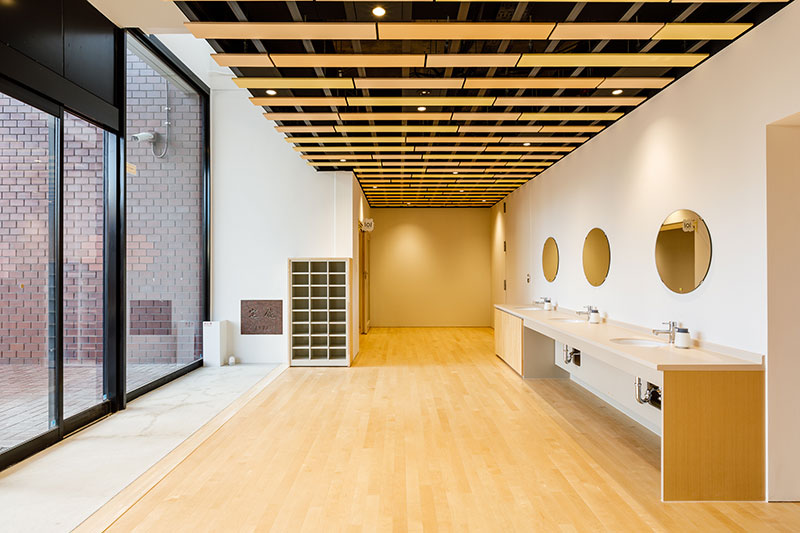
Multipurpose space/entrance
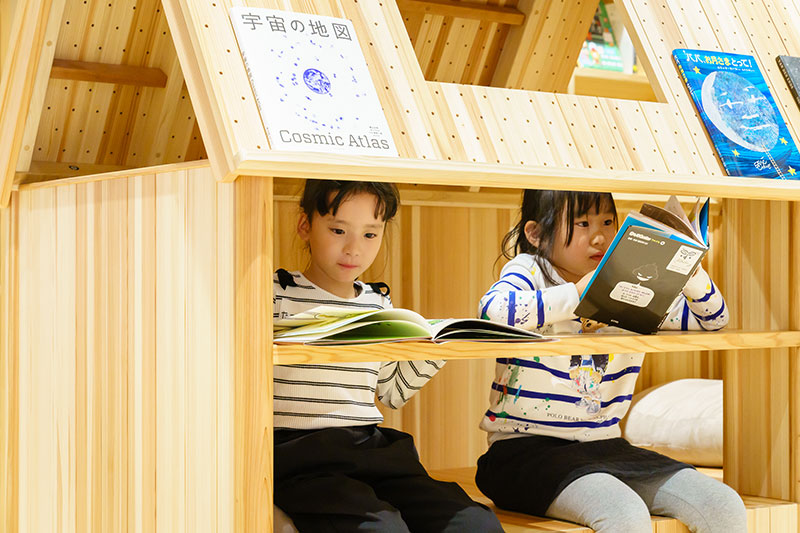
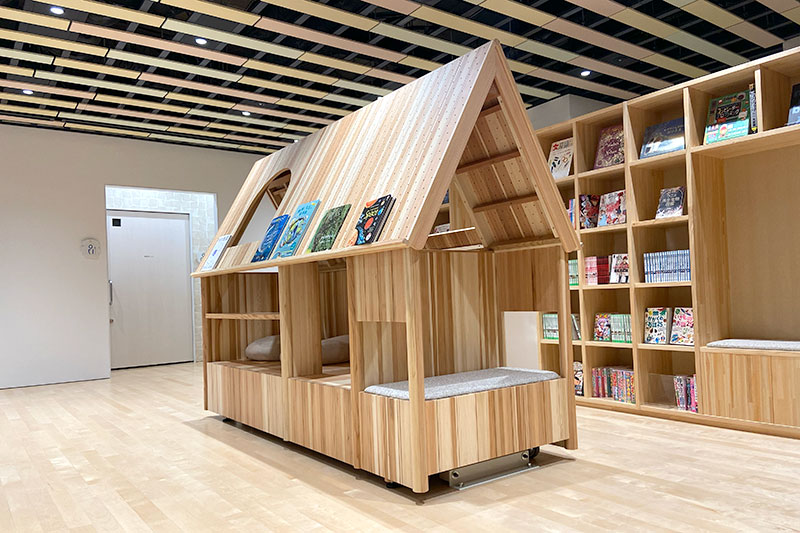
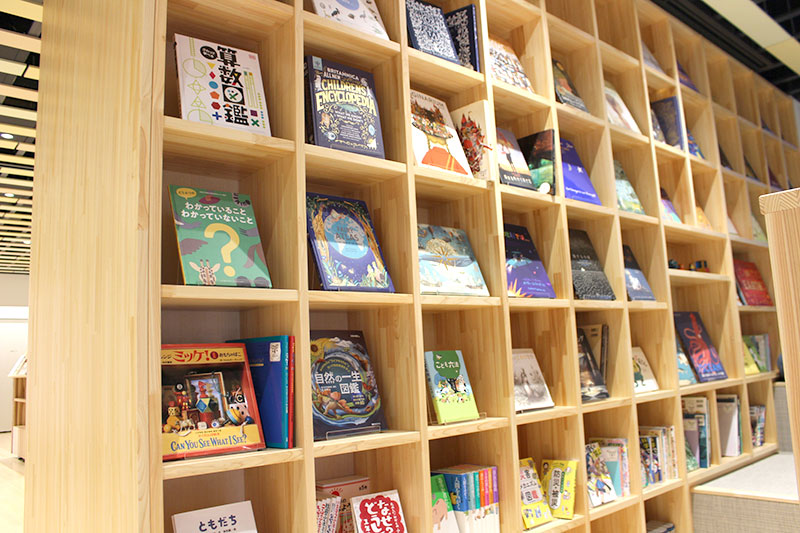
Library
Library
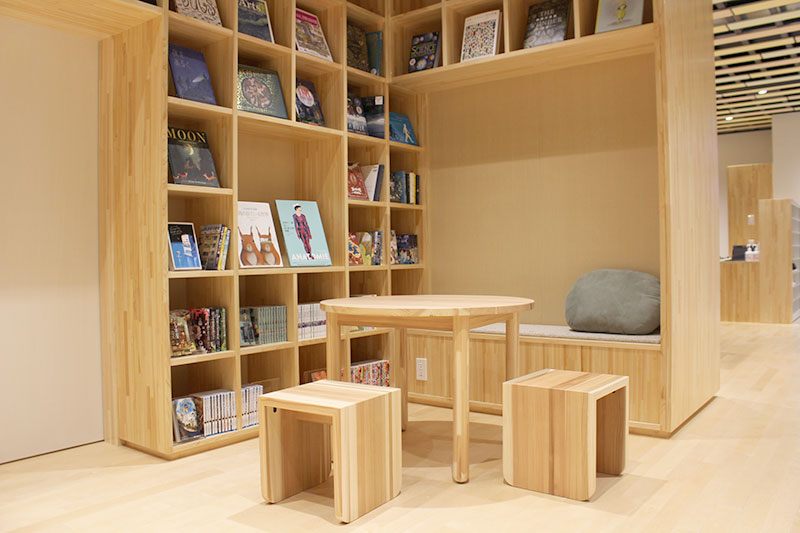
Library(Step up room)
Library
(Step up room)
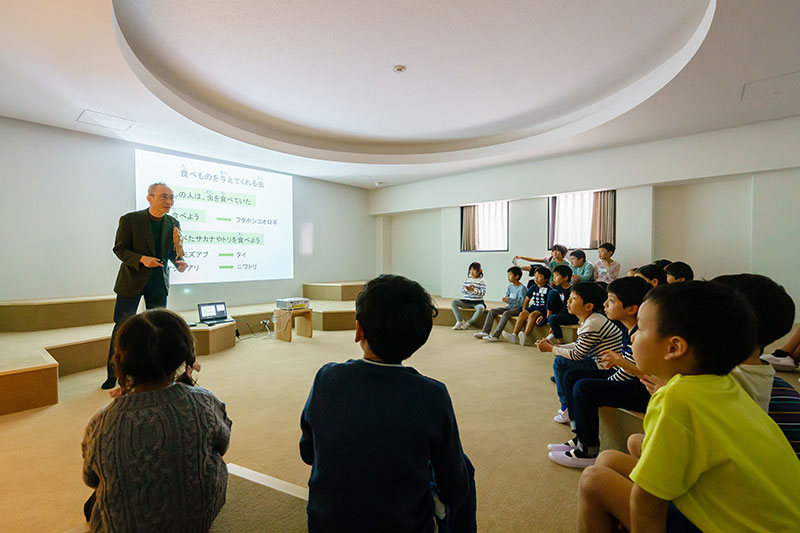
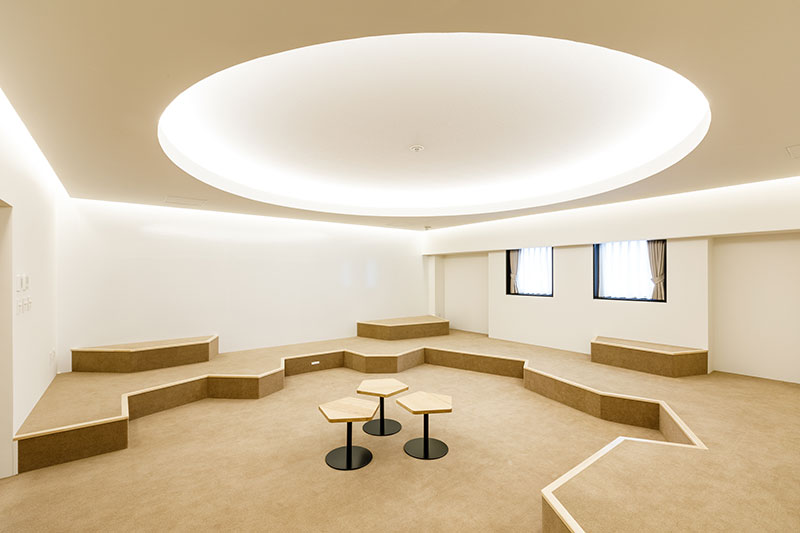
Mini Hall
Mini Hall
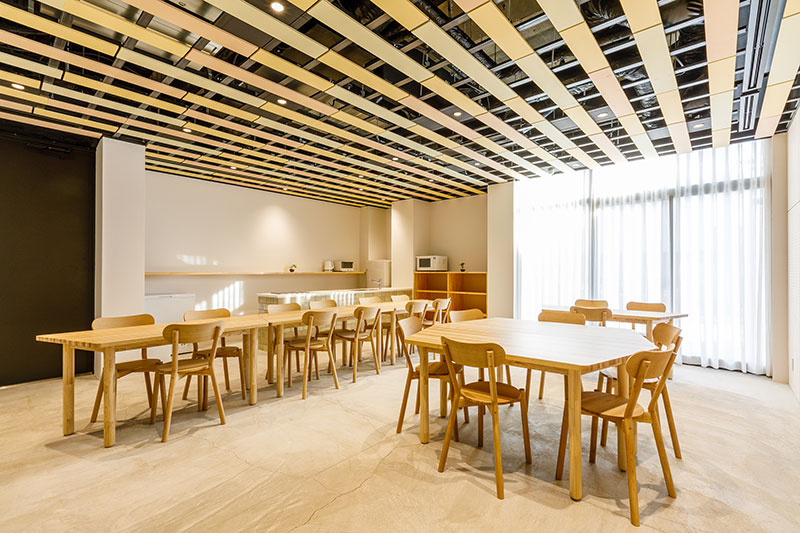
Art studio and Kitchen dining room
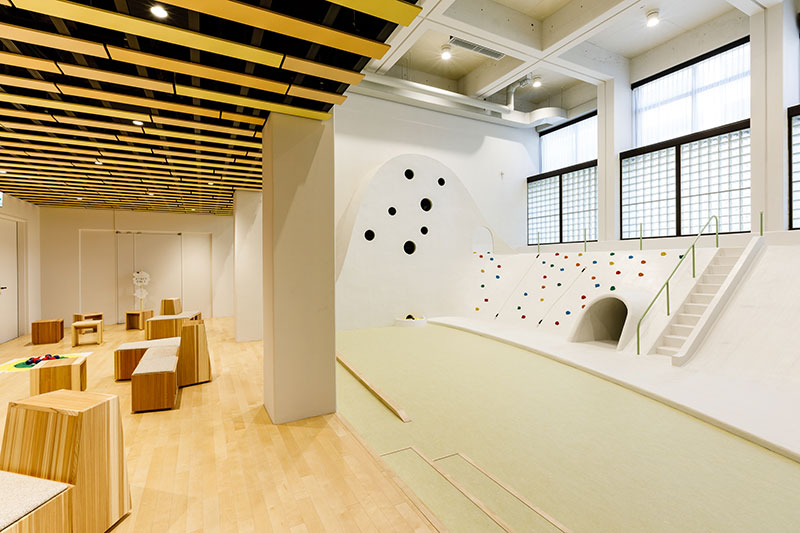
Playroom
Playroom

How to use

Opening date December 9, 2023 (Sat.)
Facility operating days Weekends, national holidays, and during elementary school summer/winter/spring vacations
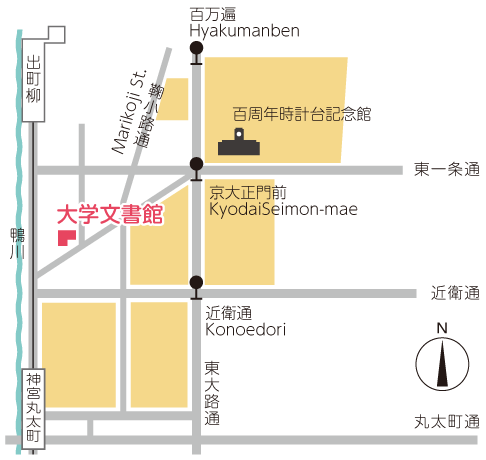
Location 1F of the Kyoto University Archives building
15-9 Yoshida Kawahara-cho, Sakyo-ku, Kyoto, 606-8501
Operating hours 8:00 a.m.-7:00 p.m. (extendable to 9:00 p.m.)
Capacity 35 children
Eligibility Kyoto University faculty/staff members (including temporary staff) and regular students with children of elementary school age (grades 1–6)
Terms of use It doesn‘t matter why you use it. In addition to those who are forced to leave their children at KuSuKu due to work reasons, KuSuKu is also available for those who want to give their children a meaningful experience during their elementary school holidays.
Fees

One day (8:00-19:00): ¥3,960(tax included)
*Fees are the same for weekends, holidays, and summer/winter/spring vacations.

The following discounts will be applied depending on the number of days used per month.
5 days or more: 3,630 yen per day (tax included)
10 days or more: 3,520 yen per day (tax included)
15 days or more: 3,410 yen per day (tax included)

Extension fee
¥1,100 per 30 minutes(tax included)

* If the child's parent is a student, all fees will be discounted by 20%.
* If two or more children of the same parent use the service at the same time, the price for the second and subsequent children will be half price.

System of operation Joint management by a steering committee consisting of Kyoto University faculty members and private childcare providers (Pasona Foster Inc.)
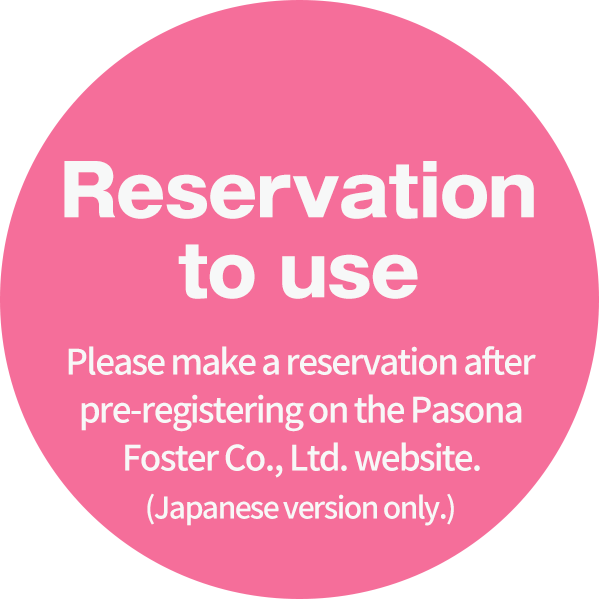
Application procedures Please pre-register at the following link.
https://www.pasonafoster.co.jp/facility/afterschool/4173/form.html
Once pre-registration is completed, an email with instructions on how to apply for use of the service will be sent by Pasona Foster Inc.

Childcare System

We assign 1 supervisor and 2 assistants when the number of users is between 1 and 15, and 1 supervisor and 3 assistants when the number of users is between 16 and 35. At least two of these persons must be qualified (放課後児童支援員). Additional staff are assigned when there are children with special needs.
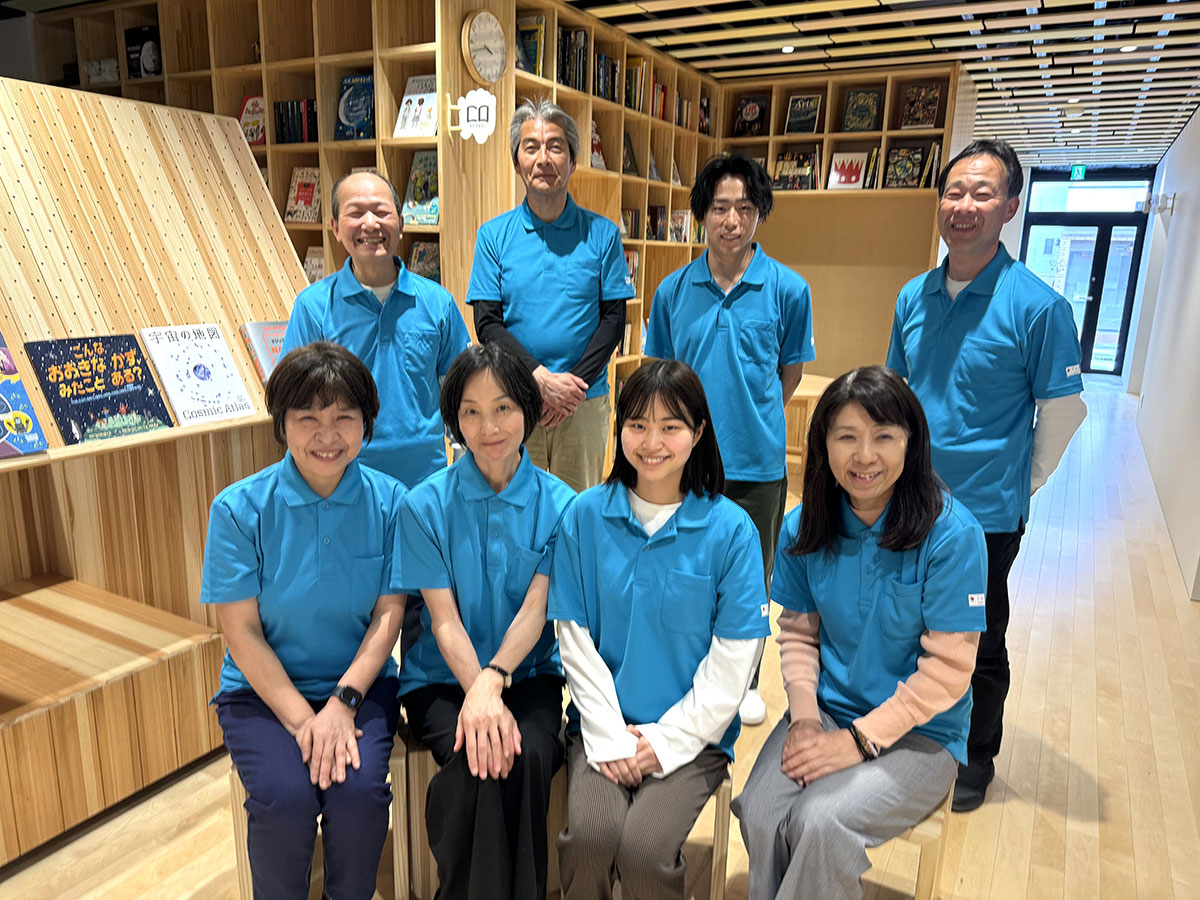
Some of our staff members are former elementary school teachers and have extensive experience in childcare. We place the highest priority on the safety of the children and try to provide childcare services suited to each child.

館内イラストマップ

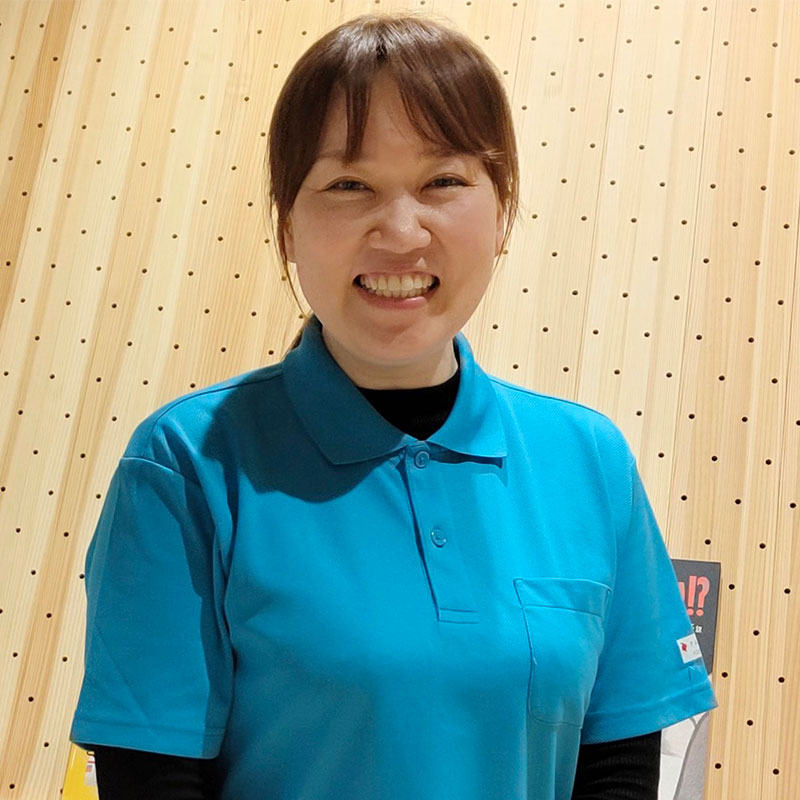
Kotoko Okazaki
Director of KuSuku

Greetings from the Director

KuSuKu is a spacious facility with many tricks here and there to tickle children's playful and intellectual curiosity. We welcome parents and children with enough staff to attend to each child at all times. We provide children with a place where they can grow and feel safe and secure, recognizing each child's individuality. We also take pleasure in the new discoveries that children who come to KuSuKu make through our educational programs.

Educational program & Reservation status

As a general rule, every day the center opens, either an academic program planned by Kyoto University or an experiential program provided by Pasona Foster Co., Ltd., the outsourcing company, will be held.

Characteristics of the academic program・Kyoto University researchers, former faculty members, etc., will participate as lecturers.
・A variety of programs will be provided to give elementary school students opportunities to learn about Kyoto University’s researchers and research fields, and to help them discover the fun of research and science, and the joy of understanding things through investigation.

NoticeEducation program schedules will be posted in 3-month units 1–2 months before their date of implementation on the Kyoto University Gender Equality Promotion Center website or on the dedicated website for applications.

Implementation schedule Feb. 2026 - May 2026

Academic Program: A program planned by a committee made up of Kyoto University faculty members

Experience program: Program provided by Pasona Foster Co., Ltd.

◎:more than 18 people left 〇:10 to 17 people left △:Less than 9 people left ×:fully booked
As of Feb. 2nd, 2026
*We will update the information regularly, but please note that we may not be able to make reservations due to time gap.

Date and Time Title of the Program Teacher Eligibility (Recommended) Application Status
Sun. Feb. 1 1:30 p.m. - 3:00 p.m. Fingerprint Detection Challenge! KuSuKu Staff All elementary grade students
(children with wheat allergies may find it difficult to participate)
Sat. Feb. 7 1:30 p.m. - 3:00 p.m. Create, Touch, and Feel the Earth! Astronomy Outreach Student Group "ASUCHIKA" All elementary grade students
Sun. Feb. 8 1:30 p.m. - 3:00 p.m.
10:00 a.m. - 11:30 a.m.
Transform?! Let's Make a Dinosaur Encyclopedia! KuSuKu Staff All elementary grade students
Wed. Feb. 11 1:30 p.m. - 3:00 p.m. Touch and Feel the Wonders of the Universe Shin Mineshige
Professor Emeritus
Graduate School of Science 
All elementary grade students
Sat. Feb. 14 1:30 p.m. - 4:00 p.m.
10:00 a.m. - 11:30 a.m.
Let's Go to the Kyoto University Museum!
"Love is love" Let's have fun learning about LGBTQ+ in English! (Host: Guardian Inc, Supporter: Phoenixi Inc)
KuSuKu Staff
Caitlin Puzzar, CEO of Guardian Inc.
All elementary grade students
Sun. Feb. 15 10:00 a.m. - 11:30 a.m. Programming KuSuKu Staff All elementary grade students
Sat. Feb. 21 10:00 a.m. - 11:30 a.m. Music Program: A Cappella? KuSuKu Staff All elementary grade students
Sun. Feb. 22 1:30 p.m. - 3:00 p.m. Let's Use Hot and Cold Things Together to Move Different Things! Jun Hirotani
Associate Professor
Graduate School of Engineering
All elementary grade students
Mon. Feb. 23 1:30 p.m. - 3:00 p.m.
10:00 a.m. - 11:30 a.m.
Craft Program: Let's Make a Small Felt Bag
Let’s Build a DNA Double Helix!
KuSuKu Staff
Sachiko Takahashi
All elementary grade students
Sat. Feb. 28 1:30 p.m. - 3:00 p.m. Let's Play with Different Lights Yosuke Minowa
Associate Professor
Graduate School of Science
All elementary grade students
Sun. Mar. 1 10:00–11:30 How the Brain Works Nobuhito Abe
Professor
Institute for the Future of Human Society
All elementary grade students
Sat. Mar. 7 10:00–11:30 Let's Learn About Fish Fins (Tentative Title) Kyoji Fujiwara
Researcher
Kyoto University Museum
All elementary grade students
Sun. Mar. 8 13:30–15:00 Let's Enjoy Craft with Wooden Sticks Hiromi Hirosaki All elementary grade students
Sat. Mar. 14 13:30–15:00 Let's Play in Ways You've Never Seen Before Hideki Tsuiki
Professor
Graduate School of Human and Environmental Studies
All elementary grade students
Sun. Mar. 15 13:30–15:00 Let's Try Sashiko Embroidery Ikuko Igawa Upper elementary grade students (recommended)
Fri. Mar. 20 13:30–15:00 The Important Role of Leaf Fragrance Junji Takabayashi
Professor Emeritus
Center for Ecological Research
Upper elementary grade students (recommended)
Sat. Mar. 21 10:00–11:30 Craft Program: Let's Make a Small Bag Out Of Felt KuSuKu Staff All elementary grade students
Sun. Mar. 22 13:30–15:00 Let's Play With Little Bubbles Yoshikatsu Ueda
Assistant Professor
Research Institute for Sustainable Humanosphere
All elementary grade students
Wed. Mar. 25 13:30–15:00 A Future Where Electricity Falls from the Sky, and a World Without Power Outages Naoki Shinohara
Professor
Research Institute for Sustainable Humanosphere
Upper elementary grade students (recommended)
Thu. Mar. 26 13:30–15:00 Do You Know Tomorrow's Weather? Let's Make a Storm Glass! Yuichi Kakuyama
Associate Professor
Agency for Health, Safety and Environment
All elementary grade students
Fri. Mar. 27   Dance (Title TBC) Guest Teacher  
Sat. Mar. 28 10:00–11:30 The World is Full of Interesting Trees Keiji Takabe
Professor Emeritus
Graduate School of Agriculture
All elementary grade students
Sun. Mar. 29 TBD Let's sing "Happy Birthday" in Different Languages: English, Finnish, and Spanish Sachiko Takahashi and Kotoko Okazaki   
Mon. Mar. 30 TBD Police Program: Internet Cyber Kyoto Prefectural Police Internet Safety Advisor Upper elementary grade students (recommended)
Tue. Mar. 31 10:00–11:30 Seals, Whales, and Sea Otters: How Are They Different? How Are They Similar? Yoko Mitani
Professor
Wildlife Research Center 
All elementary grade students
Wed. Apr. 1 10:00–11:30 Gardening Class: Let's Plant Spring Flowers Kazuhiko Tada All elementary grade students
Thu. Apr. 2 13:30–15:00 Let's Solve Puzzles Created by Kyoto University's Puzzle Professors Higashida Taishi
Higashida Puzzle Research Institute, Inc.
All elementary grade students
Fri. Apr. 3 13:30–15:00 Using Bones to Discover what a Person Looked Like—Let's Rebuild a Human Skeleton Asuka Tosaka
Program-Specific Researcher
Institute for the Future of Human Society
All elementary grade students
Sat. Apr. 4 10:00–11:30 Are Meteorites Different from Rocks on Earth? The Secrets of Meteorites Haruka Ono
Assistant Professor
Graduate School of Science
All elementary grade students
Sun. Apr. 5 10:00–11:30 You don't need lessons to play it! Piano Lesson:  “I Stepped on a Cat” Primo Ver. Kotoko Okazaki  All elementary grade students
Sat. Apr. 11 a.m./p.m. What Kind of Water Do Fish Live In? Sachiko Takahashi All elementary grade students
Sun. Apr. 12 13:30–15:00 Let's Discover What Monkeys Eat by Looking at Their Poop! Goro Hanya
Associate Professor
Center for Ecological Research
All elementary grade students
Sat. Apr. 18 13:30–15:00 Let's Street Dance! Yuriyo Tabata All elementary grade students
Sun. Apr. 19 13:30–15:00 Let's Observe Different Species of Water Flea with Our Eyes and a Microscope. Yurie Otake
Assistant Professor
Center for Ecological Research
All elementary grade students
Sat. Apr. 25 10:00–11:30 The Mysteries of the Sun Ayumi Asai
Associate Professor
Graduate School of Science, Kwasan Observatory
All elementary grade students
Sun. Apr. 26 13:30–15:00 Let's Make a Mobile Kotoko Okazaki   
Wed. Apr. 29 10:00–11:30 Let's play Element Karuta! Kouichi Hagino
Professor
Graduate School of Science 
All elementary grade students
Sat. May 2 13:30–15:00 Let's Street Dance! Yuriyo Tabata All elementary grade students
Sun. May 3 10:00–11:30 Let's Write Haiku Poems—Become a Little Bashō! Kazuhiko Tada  
Mon. May 4 13:30–15:00 Make Your Own Picture Book! Sakurako Hamaguchi All elementary grade students
Tue. May 5 10:00–11:30 What Determines the Color of an Animal's Body? Sachiko Takahashi  All elementary grade students
Wed. May 6 13:30–15:00 Exploring the Kamo River / Rainy Day: Painting the Kamo River with Watercolors KuSuKu Staff  
Sat. May 9   Let's Learn and Think About the Brain (Tentative) Naho Konoike
Associate Professor
Hakubi Center
All elementary grade students
Sun. May 10 10:00–11:30 Triple Composition Program: "Make, Write, Play" Kotoko Okazaki  Upper elementary grade students (recommended)
Sat. May 16 13:30–15:00 Let's Visit the Kyoto University Museum! KuSuKu Staff  
Sun. May 17 13:30–15:00 Experience the Wonders of the Universe (Tentative) Teruaki Enoto
Associate Professor
Graduate School of Science
All elementary grade students
Sat. May 23 10:00–11:30 Light Decides!? The Mysterious Rhythms of Our Bodies Tomoko Wakamura
Professor
Graduate School of Medicine
All elementary grade students
Sun. May 24 13:30–15:00 Craft Program: Let's Make a Lunchbox! KuSuKu Staff  
Sat. May 30 10:00–11:30 How Do We Make Sure Food is Safe? (Tentative) Yayoi Kito
Senior Lecturer
Graduate School of Agriculture
All elementary grade students
Sun. May 31 10:00–11:30 Let's Explore the Deep Sea with the Shinkai 6500! Sachiko Takahashi   

Daily Schedule


The schedule may change depending on the program content.

8:00 a.m. Going to childcare facility *1
free play
9:00 a.m. Orientation
Homework/study/reading time
10:00 a.m. Academic or experiential program *2
12:00 p.m. Lunch time *3
1:30 p.m. Academic or experiential program *2
3:00 p.m. Snack Time
3:30 p.m. Free play
5:00 p.m – 7:00 p.m.
(extendable to 9:00 p.m.)
Going home

*1 We will confirm the child's name, temperature, and time to go home.

*2 An academic program or an experiential program will be held either in the morning or in the afternoon.
If the program is held in the morning, children will present their experiences and learnings in the afternoon on a worksheet. In addition, children can play with their own creations in the hands-on experience of making things.

*3 Please feel free to bring your own lunch, or If you wish, We will provide frozen bento lunches, so please order in advance.

Safety Initiatives

  • The facility will be locked at all times during opening hours, and children will be controlled from entering and exiting the facility. We have also introduced a system that notifies parents of entry and exit times in real time.
  • Three childcare staff will be on-site to supervise children with 15 or fewer children, and four childcare staff will be on hand to supervise children with 16 or more.
  • Two of the childcare staff will be qualified as after-school child support workers.
  • There will always be one childcare staff member in each area to supervise your child.
  • The outside space and play room will be staffed with childcare staff with an emphasis on safety, so we assume that they will only be used at set times.
  • If your child becomes unwell or an accident occurs, we will promptly contact parents. We also collaborate with nearby medical institutions depending on the situation.
  • We have prepared manuals in preparation for the occurrence of fires, earthquakes, natural disasters, and intrusion by suspicious persons. We regularly carry out evacuation drills and drills to simulate intrusion by suspicious persons.
  • Surveillance cameras are installed at a total of 10 locations inside and outside the facility.
  • The local police station has reinforced patrols around KuSuKu.

Access

Kyoto University Kids’ Community (KuSuKu)
(1F of the Kyoto University Archives building)
15-9 Yoshida Kawahara-cho, Sakyo-ku, Kyoto, 606-8501

Please refrain from coming by car and use public transportation.
On foot, it takes about:
- 10 minutes walk from the university’s main gate
- 7 minutes walk from the Kyoto city bus stop “Kyodai Seimon-mae”
- 10 minutes walk from Demachiyanagi station (Keihan railway)
- 5 minutes walk from Kojinbashi station (Kyoto Bus)

*About pick-up and drop-off
Please have your child picked up and picked up by a guardian.Bicycle parking is located in front of the east entrance.If you are coming by car, please do not park on the public road, but use the parking lot (20 spaces) on the north side of KuSuKu. Please note that the parking lot is only available for temporary parking during pick-up and drop-off, and cannot be used permanently.If your child is in the upper grades and your home is nearby, it is possible for your child to attend the school alone, but please confirm the route to KuSuKu in advance at home.

About the Logo

kusuku

Inspired by the camphor tree, the symbol of Kyoto University, the logo represents the university’s intention for the new childcare facility to be a place that provides a relaxed and alternative style of learning that helps children grow up to be healthy and happy.

  1. HOME
  2. Childcare Facility Kyoto University Kids’ Community (KuSuKu)